


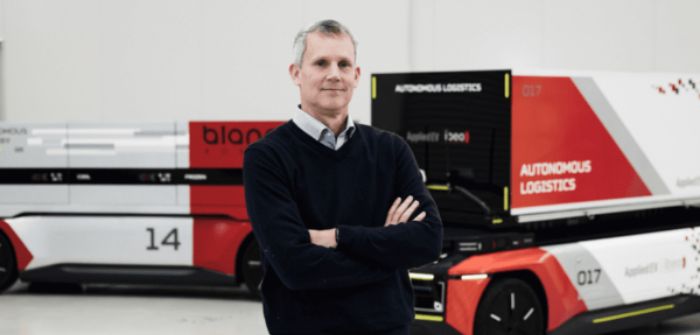
A collaboration has been announced between automotive electronics specialist Applied EV and E/E architecture solutions provider NXP Semiconductors in which the companies will work together on the development of software-defined vehicles and electrical and electronic architecture.
As part of this strategic relationship, NXP and Applied EV are set to share ideas and information, work to develop mutually beneficial strategic and production partnerships, and drive forward innovation in both of these areas, to “make a substantial contribution toward a safer and more connected autonomous electric mobility”, the companies say.
Applied EV’s central control unit, Digital Backbone, is powered by NXP’s versatile and powerful S32G family of vehicle network processors designed to accelerate the shift to simplified domain and zonal-based vehicle architectures. The collaboration is set to deliver safety-rated software control solutions for the automotive and autonomous vehicle markets.
Functionally unique, Applied EV’s technology has been purposefully designed to centralize all software functions into a singular control system that is dynamic enough to power all driving and steering functions. The simplified architecture reduces OEM complexity, accelerates development and deployment, and makes the entire ecosystem more sustainable.
Lars Reger, chief technology officer at NXP Semiconductors, said, “Applied EV’s collaborative and solutions-oriented mindset to enable software control for autonomous driving for the industry at large has been very successful. We’re excited to collaborate on the next phase of this innovation by integrating NXP’s comprehensive portfolio of complementary solutions with Applied EV’s software-defined vehicle technology capabilities.”
Julian Broadbent, CEO of Applied EV (top), said, “Our collaboration and strategic relationship with NXP has been founded on our joint ambition to further innovate the field of software-defined vehicles. It is a natural fit toward a future where software features and the electronics to support them will create significant value for auto makers.”