


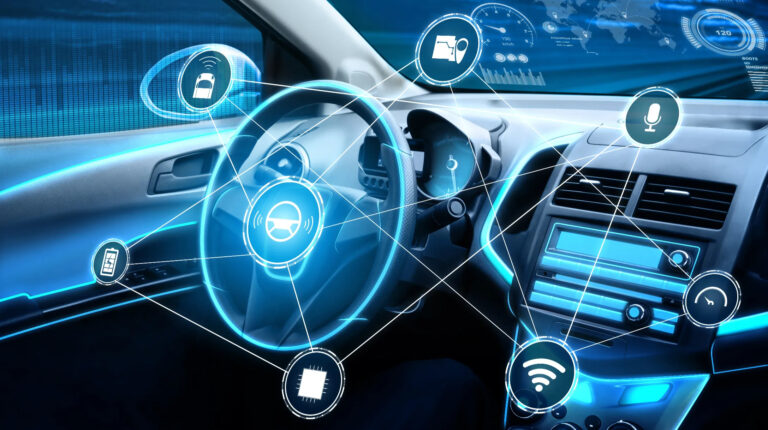
Seeing Machines has launched a dedicated Future Mobility Group to support increasing demand from the autonomous driving sector and to advance new commercial opportunities as automated vehicle programs scale globally.
Autonomous vehicle programs worldwide are beginning to transition from large-scale development into commercial deployment, leading the industry into a phase that requires production-ready, human-centered safety systems capable of scaling with global operations.
As this industry transitions from development to commercial deployment, demand has grown for deeper commercial and technical engagements to deliver embedded solutions that will support scale safely and effectively. To support this, Seeing Machines has established a Future Mobility Group, a dedicated team within Seeing Machines focused on supporting autonomous vehicle programs across development, deployment and commercial scale.
The team will work with global customers to embed Seeing Machines’ next-generation driver and occupant monitoring system (DMS/OMS) technology into their own autonomy products and services through a more structured engagement model aligned with the needs of next-generation mobility platforms.
“Future Mobility is not just about autonomy, it’s about building transportation systems that understand people as well as they understand the road,” said Paul McGlone, CEO at Seeing Machines. “As automated driving technologies scale, interior sensing becomes a foundational capability, enabling safer, more reliable automation and greater trust between humans and machines. The establishment of our Future Mobility Group, which leverages existing Seeing Machines resources and platform technology, reflects our long-term strategy to embed human understanding at the center of next-generation vehicle platforms as our customers in automotive, aftermarket and aviation move toward this.”
In related news, Harman secures ZF Group’s ADAS business unit