


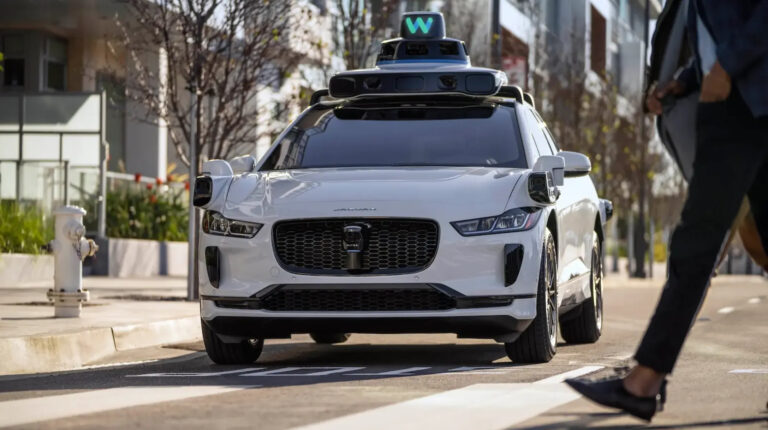
Waymo has responded to the widespread Pacific Gas and Electric (PG&E) outage that cut power to nearly one-third of San Francisco on December 20, 2025. With power now restored, the company has shared its account of its operations during the outage.
The outage’s scale and the large number of inoperable traffic lights caused citywide gridlock. With signals dark along major corridors, congestion increased to the point that law enforcement had to manually control intersections. The severity of the situation led the San Francisco Department of Emergency Management to advise residents to remain at home, highlighting the unusual extent of the weekend’s disruptions.
Navigating an event of this magnitude presented a unique challenge for autonomous technology. The Waymo Driver is designed to handle dark traffic signals as four-way stops but may occasionally request a confirmation check from a human to ensure it makes the safest choice. While the company successfully traversed more than 7,000 dark signals during the outage, the situation created a concentrated spike in these requests. This created a backlog that, in some cases, led to response delays contributing to congestion on already-overwhelmed streets.
Waymo implemented its confirmation protocols as a precaution during the early stages of deployment and is now refining them to better align with its current scale of operations. While the approach proved effective during smaller outages, the company said it is rolling out fleet-wide updates that provide the system with specific power-outage context, enabling more decisive navigation.
As the outage continued and city officials advised residents to stay off the streets to prioritize first responders, Waymo temporarily paused service in the affected area. The company directed vehicles to pull over and park safely, then returned them to depots in phases. This approach was intended to avoid adding to congestion and to ensure emergency vehicles could operate without obstruction during the peak of recovery efforts.
The path forward
Waymo has stated that its development approach is focused on preparing the Waymo Driver to operate in real-world conditions, including infrastructure failures. The company is analyzing the PG&E outage and has begun integrating lessons learned from the event.
Immediate actions include integrating more information about outages: although the Waymo Driver already treats dark traffic signals as four-way stops, Waymo is deploying fleet-wide updates that provide additional context about regional power outages, enabling more decisive navigation at affected intersections.
Waymo plans to strengthen its emergency response protocols based on insights from the outage. In San Francisco, the company will continue coordinating with Mayor Lurie’s administration to identify opportunities for deeper collaboration. Waymo also intends to expand its first responder engagement, updating and broadening its training programs as lessons emerge from this and other large-scale events.
In related news, Changan granted Level 3 autonomous driving approval in Chongqing